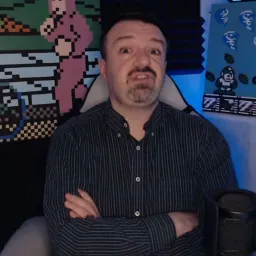
Parasocial Heartbreak: Ranking the Ways Your Favorite Creator Can Absolutely Destroy You

There is a very specific kind of grief that has no greeting card section. It's not the death of a loved one. It's not a breakup — well, not exactly. It's the moment you realize the person whose work shaped a significant chunk of your personality has turned out to be, in the most charitable terms, a massive disappointment. In less charitable terms? A full-on villain.
Welcome to the creator betrayal experience. Population: every fandom that has ever existed.
At The Franatics, we believe fandom is one of the most powerful emotional forces in modern life. Which means when it goes sideways, it goes spectacularly sideways. So in the spirit of processing our collective trauma with humor and a faint whiff of denial, we've assembled the definitive tier list of creator betrayals — ranked by severity, cultural impact, and how long you'll spend staring at your old fan art wondering where it all went wrong.
Tier F: The "Oof, That's Unfortunate" Zone
This is the entry-level betrayal. Think of it as a paper cut — annoying, surprisingly painful for its size, but ultimately survivable.
This tier covers things like a beloved author going on a weird rant about something deeply uncool but not quite disqualifying. Or a showrunner who clearly stopped caring about their own finale (cough). Or a musician who releases a Christmas album nobody asked for and then starts posting aggressive opinions about nutrition science on Instagram.
The cognitive dissonance here is mild. You can still listen to the discography. You just maybe don't follow them on social media anymore, and you quietly stop defending them when your cousin brings it up at Thanksgiving. Manageable. You'll live.
Tier D: The "I Need a Minute" Betrayal
Here's where things get genuinely uncomfortable. This tier includes creators whose problematic behavior isn't just cringe — it's actually harmful in some direction, even if it doesn't quite reach headline-grabbing territory.
Think: a beloved gaming developer whose behind-the-scenes workplace culture gets exposed as quietly toxic. A TV actor who turns out to hold views that directly contradict the progressive themes of the show you loved. A YouTube creator whose parasocial manipulation tactics get laid bare by a former collaborator in a 47-minute video essay.
The fandom response here is fractured. Some fans perform elaborate mental gymnastics to separate art from artist. Others quietly unsubscribe and never speak of it again. A brave few write extremely long Reddit posts about their feelings, which is honestly kind of admirable.
Tier C: The Public Implosion
Now we're getting somewhere. Tier C is where the betrayal becomes a cultural moment — something that gets covered by entertainment journalists, generates thinkpieces, and inspires at least three podcast episodes within a week.
This is your Kanye-style spiral (pick a year, any year). This is a franchise director who responds to fan criticism with such spectacular condescension that they accidentally unite the entire internet against them. This is the beloved children's author whose increasingly unhinged public statements make you feel genuinely bad for recommending their books to your niece.
The work-versus-artist math becomes significantly harder here. Fans who grew up with these creators feel something close to genuine grief — not just disappointment, but a retroactive recontextualization of memories. That's a lot to process between scrolling through the drama and making dinner.
Tier B: The Franchise Hijacker
This tier is reserved for a very specific kind of betrayal that hits differently: the creator who doesn't just disappoint you personally, but actively ruins the thing you love on their way out.
Imagine a showrunner who loses interest in their own prestige drama and phones in the final season so catastrophically that fans launch actual petitions. Or a film director who gets handed the keys to a beloved IP and proceeds to treat the source material — and by extension, the fans — with open contempt. Or a game studio executive who dismantles the beloved franchise piece by piece in pursuit of live-service monetization while publicly dismissing "hardcore fans" as the problem.
This betrayal stings because it's not just about the person anymore. They've damaged the thing. The thing you loved. The thing that maybe got you through some hard years. That's not just a PR problem — that's personal.
Tier A: The Full Moral Reckoning
And here we arrive at the tier that nobody wants to be in. This is where the revelations aren't just embarrassing or even cruel — they're genuinely serious. Allegations of abuse, harassment, or exploitation. Behavior that recontextualizes everything the creator ever said about empathy, community, or doing the right thing.
This is the tier that produces the most agonized fan discourse, because there's no clean answer. The work might be genuinely meaningful. The harm might be genuinely real. Both things exist simultaneously, and no amount of Twitter threading makes that easier to hold.
Fans in this tier go through something that closely resembles the actual stages of grief — denial, anger, bargaining ("but the early stuff was before all this"), depression, and sometimes, eventually, a kind of exhausted acceptance that loving a piece of art doesn't require loving its creator.
So... What Do You Actually Do?
Here's the honest answer: there's no universal playbook, and anyone who tells you otherwise is selling something.
Some fans choose full separation — they keep the work, retire the creator from their personal pantheon, and move on. Others find they simply can't re-enter the fictional world without the bad feelings following them in. Some donate to relevant causes as a kind of moral offset. Some just... sit with the discomfort, because that's actually a legitimate human response.
What's worth remembering — especially for those of us who have built real community around shared love of a creator's work — is that the fandom belongs to you now. The friendships, the inside jokes, the fan fiction, the Discord servers running at 3 a.m. — none of that disappears just because the person at the top of the pyramid turned out to be a disappointment.
Fandom has always been, at its core, about what the work means to you. Creators can make choices that forfeit their place in your life. They cannot take back what you built around the thing they made.
And if you need to scream about it online first? Honestly, same. That's what we're here for.