You're Out: The Savage, Unspoken Rules That Get Fans Exiled From Their Own Communities
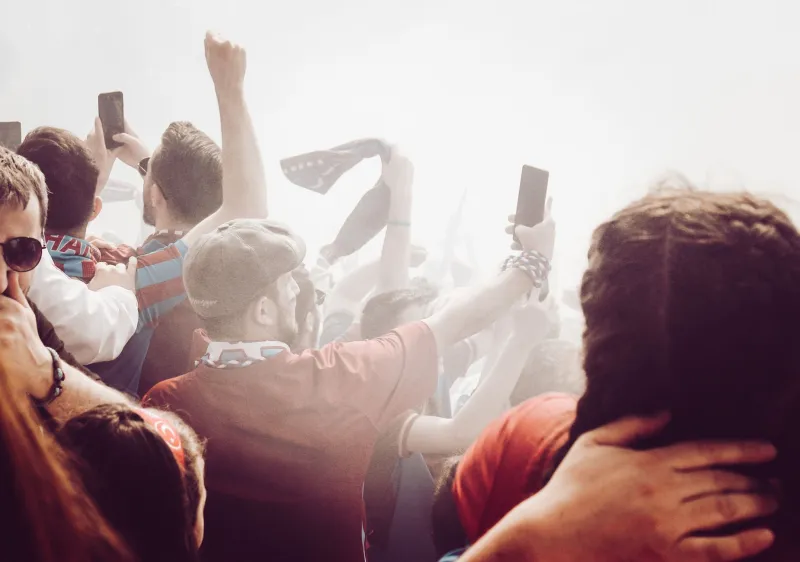
Somewhere between your third rewatch and your fourteenth hour of fan forum deep-diving, you probably felt it — that warm, slightly unhinged sense of belonging that only a truly obsessed community can provide. You had found your people. You spoke the language. You knew the lore.
And then, without warning, you said the wrong thing. Maybe you admitted you liked the theatrical cut better than the extended edition. Maybe you called a beloved side character "kind of annoying." Maybe — God forbid — you said you got into the fandom because of the movie adaptation.
Suddenly, the warmth evaporated. The replies dried up. Someone subtweeted you without tagging you, which is somehow worse. Welcome to the fandom loyalty test. Congratulations: you failed.
The Constitution Nobody Printed
Here's the thing about fan community rules — they don't exist anywhere official. There's no Terms of Service. No FAQ that says "Do not, under any circumstances, suggest that Season 3 had its moments." The rules are passed down through vibes, through callout posts, through the collective memory of a community that has been burned before and is absolutely not going to let it happen again.
Psychologists who study group dynamics have a term for this: implicit norms. Every social group has them. But fandoms have elevated implicit norm enforcement to something approaching an Olympic sport. The gatekeeping isn't random — it's systematic, weirdly consistent, and occasionally brutal in a way that would impress a medieval guild.
The categories of offense are surprisingly universal across wildly different fandoms. You've got the Fake Fan accusation (you're only here because it got popular). You've got the Casual dismissal (you clearly haven't done the reading). And then there's the most devastating label of all, the one whispered in Discord servers and Reddit threads: problematic supporter, which can mean anything from genuinely concerning behavior to simply having once defended a plot point the majority had already decided was irredeemable.
The Gatekeeping Evolution Arc
Gatekeeping didn't start on social media, but social media gave it a megaphone and a Like button. In the early days of fandom — think Usenet groups, LiveJournal communities, early message boards — policing happened slowly. You had to actually type out your grievances in paragraph form. The effort required kept the chaos at a manageable simmer.
Then came Twitter, Tumblr, and eventually TikTok, and suddenly a two-second hot take could reach ten thousand people before you'd finished your coffee. The speed of fandom judgment accelerated dramatically. What once took weeks of forum debate to establish as community consensus could now crystallize into received wisdom overnight.
Interestingly, the type of gatekeeping has also shifted. Older fandoms — your classic Star Trek or Doctor Who communities — tended to police knowledge. Could you name the stardate? Did you know the behind-the-scenes trivia? Knowledge was the currency of legitimacy.
Modern fandoms, particularly those built around pop music, anime, or prestige TV, are more likely to police loyalty and moral alignment. It's less about what you know and more about whether you've taken the correct stance on the correct controversy at the correct time. Miss the window on a fan-driven cancellation campaign? You're either complicit or out of touch. Neither is a good look.
Real Fans, Real Wreckage
The psychological toll of fandom exile is something the entertainment industry laughs off and academics are only just starting to take seriously. For a lot of people — particularly teenagers and young adults, though absolutely not limited to them — fan communities function as genuine social infrastructure. They're where friendships form, where identity gets shaped, where the loneliness of everyday life gets temporarily patched over with shared enthusiasm.
Getting pushed out of that isn't just awkward. For some people, it's genuinely destabilizing.
There are countless stories of longtime community members who spent years contributing — writing fan fiction, creating fan art, moderating forums — only to get labeled a traitor over a single post. A Swiftie who expressed mild disappointment about an album track. A Marvel fan who admitted they hadn't seen every Disney+ series. A K-pop stan who followed the wrong account during an inter-fandom beef they hadn't even realized was happening.
The punishment rarely fits the crime, mostly because nobody told you there was a crime on the books.
Why the Tribe Turns
Fan communities turn on their own for a few deeply human reasons, and understanding them doesn't make it hurt less, but it does make the whole thing slightly less baffling.
First, there's the scarcity of identity. When your love for something is a core part of who you are, the arrival of casual fans can feel like a genuine threat. If everyone likes it, does it still mean something special that you like it? Gatekeeping is, at its ugliest, just insecurity wearing a trivia quiz.
Second, there's the trauma response. Many fandoms have been burned — by studios, by creators, by toxic members who wrecked communities from the inside. The hypervigilance that develops in the aftermath is real. The problem is that hypervigilance doesn't discriminate well between actual threats and a newcomer who just hasn't learned the lingo yet.
Third, and this one stings: sometimes the community is just performing loyalty policing as entertainment. The callout, the pile-on, the dramatic exile — these generate engagement. They're exciting. They give people roles to play. It's not kind, but it's very, very human.
Surviving the Test You Didn't Know You Were Taking
So what do you do when you feel the temperature drop in your favorite corner of the internet? A few hard-won observations from the chaos:
Lurk before you leap. New to a community? Read the room for longer than feels necessary. Every fandom has sacred cows, and you want to know which ones they are before you accidentally suggest one might be slightly overrated.
Acknowledge the history. Communities that have been through drama are communities with scar tissue. Respecting that, even when you weren't there for the original incident, goes a long way.
Don't perform fandom for approval. The fans who get in the most trouble are often the ones who overcorrect — agreeing with everything, taking every stance to the extreme, trying to out-loyal the loyalists. Authenticity reads better than performance, even in spaces where performance is practically the whole point.
And if you do get exiled? Find a different corner. Fandoms are not monoliths. The subsection that kicked you out is rarely the entire community. The internet is enormous and there is almost certainly a group of people who want to talk about the same things you love without requiring you to pass a written exam first.
The Part Nobody Wants to Admit
Here's the uncomfortable truth sitting underneath all of this: the fandoms with the most aggressive loyalty enforcement are often the ones that love their source material the most fiercely. The gatekeeping and the devotion come from the same place. The people policing the borders are the same people who wrote the best fan theories, organized the charity drives, kept the flame alive when the rest of the world moved on.
That doesn't make being on the receiving end of their judgment any less brutal. But it does mean the love is real, even when the expression of it goes completely sideways.
Fandom, at its best, is one of the most generous and creative forces in American pop culture. At its worst, it's a loyalty test with no answer key, administered by a committee that changes its mind every Tuesday.
The trick is figuring out which one you've walked into — ideally before you mention that you actually kind of liked the reboot.