Streaming, Merch, and Mayhem: The Hidden Price Tag on Being a Real Fan
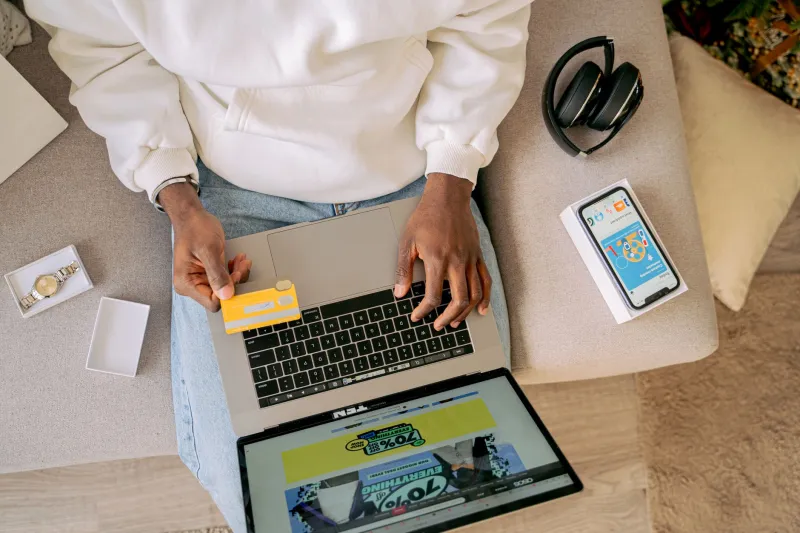
Let's do a quick thought experiment. Picture yourself in 2009. You loved a show. You watched it on TV — for free — complained about it on a forum, maybe bought a T-shirt at Hot Topic, and called it a day. Your total annual investment? Probably forty bucks and some dignity.
Now fast-forward to today. You love a show. To watch that show, you need a streaming subscription. To watch the bonus content about that show, you need a different subscription. To get the limited-edition steelbook Blu-ray with the alternate ending that isn't streaming anywhere, you need to camp a merch drop at 11 p.m. on a Tuesday. And to get the behind-the-scenes documentary about how they made the merch drop? That's on a third platform, probably behind a premium tier.
Welcome to the Fandom Tax. It's not itemized. It's not optional. And it is absolutely, ruthlessly, by design.
The Subscription Shuffle
Here's the uncomfortable arithmetic. In 2024, a US household trying to keep up with prestige TV across major platforms — Netflix, Max, Peacock, Paramount+, Disney+, Apple TV+, and Hulu — is looking at anywhere from $80 to $130 per month after opting for ad-supported tiers to save money. That's before you've bought a single piece of merch or clicked on a single "exclusive" fan experience.
And the kicker? Studios have gotten extremely good at scattering their intellectual property across multiple homes. A Marvel fan in 2025 doesn't just need Disney+. They might need ESPN+ for background lore content, a Comixology subscription to understand a character's comic arc before a show drops, and a YouTube Premium account because someone uploaded an unofficial recap series that's somehow better than the official one.
Fragmentation isn't a bug. It's a revenue model. Every time a studio pulls its content off a competitor's platform and launches its own streaming home, it's not just making a business decision — it's making you make a financial decision. And if you're the kind of person who reads fan wikis at midnight, the answer is almost always going to be "fine, I'll subscribe."
The Merch Industrial Complex
Subscriptions are just the cover charge. The real party is in merchandise.
Fan merchandise has evolved from band tees and movie posters into a full-blown luxury goods market. Limited drops, numbered editions, collaboration pieces with streetwear brands — studios have borrowed every psychological trick from the sneaker world and applied it to your favorite fictional universe. The result is a merch ecosystem designed to make you feel like you're missing out if you don't spend, and like a true believer if you do.
Funko Pops alone have become a case study in this phenomenon. What started as cheap, cheerful collectibles has ballooned into a tiered system of convention exclusives, retailer exclusives, chase variants, and glow-in-the-dark editions that exist purely to make the standard version feel inadequate. Collectors report spending hundreds — sometimes thousands — annually just to feel like their collection is "complete." Spoiler: it never is. That's also by design.
Then there's the apparel arms race. Collaborations between streaming shows and fashion brands have turned fan identity into a premium product. Want to wear a hoodie that quietly signals to other fans that you're serious? That'll be $120, please. Want the version that was only available during a 48-hour drop window that you missed because you were at work like a functional adult? Good luck on eBay, where it's going for $300.
Paywalled Passion: When the Story Costs Extra
Perhaps the most audacious evolution of the Fandom Tax is the monetization of narrative itself. Studios have figured out that the most engaged fans aren't just watching — they're hungry for more story, more context, more universe. And that hunger? Extremely billable.
Bonus episodes locked behind premium tiers. Extended cuts available only on physical media. Prequel comics sold separately. Podcast companion series — yes, podcasts — sitting behind subscription walls. One streaming platform recently offered a "fan experience" add-on that included early access to trailers and a monthly Q&A with producers. For a fee, obviously.
The message, delivered with a smile, is essentially: you can be a fan for free, but you can be a real fan for $19.99 a month.
And look — nobody's holding a phaser to anyone's head. But the architecture of modern fandom is built to make the paid version feel like the authentic version. When studios design their ecosystems so that the free experience feels deliberately incomplete, they're not just selling a product. They're selling belonging. And belonging, it turns out, has a surprisingly high price elasticity.
So Who's Actually Doing the Math?
A 2023 survey from financial platform Bread found that the average US consumer underestimates their streaming spend by nearly 40%. When you layer in merchandise, collectibles, convention tickets, and fan experience purchases, the gap between what fans think they're spending and what they're actually spending gets even wider.
Hardcore fans — the ones driving engagement metrics, filling Reddit threads, and keeping franchises culturally alive between seasons — can easily spend $1,500 to $3,000 annually on a single fandom. For some, it goes much higher. And most of them will tell you it doesn't feel like spending, because it doesn't happen all at once. It happens in small, emotionally satisfying increments. A drop here. A subscription upgrade there. A convention badge that was totally reasonable at the time.
That drip-feed spending model isn't accidental. It's the same psychology behind mobile gaming microtransactions, applied to the thing you love most.
Are Studios the Villain Here — Or Just Very Good at Business?
Here's where The Franatics has to be honest with you, even when it's annoying: studios aren't wrong to monetize fandom. Making prestige television costs an obscene amount of money, and the old advertising model doesn't cover it anymore. The merch, the subscriptions, the tiered experiences — they're funding the thing you love.
But there's a difference between sustainable monetization and ecosystem capture. When a studio designs its fan experience so that meaningful participation requires ongoing financial commitment across multiple platforms and product categories, it has stopped serving fans and started farming them.
The fans who can afford to play the full game get a richer experience. The fans who can't get a watered-down version of the community they're supposed to belong to. That's not fandom. That's a subscription service wearing fandom's clothes.
The Bottom Line (Literally)
Being a passionate fan has always cost something — time, emotional energy, the occasional argument with a family member who doesn't understand why this matters. But the financial cost of fandom in 2025 is something genuinely new, and it's worth naming clearly.
You are not imagining it. Your favorite shows do cost twice what they should, because "the show" now includes the extended universe, the merch ecosystem, the platform exclusives, and the premium fan tiers. The question isn't whether you should spend — that's your call, and we're not here to judge anyone's Funko shelf.
The question is whether you're spending consciously, or whether you've been so perfectly nudged by a machine built to extract maximum value from your maximum enthusiasm that the money is just... gone.
Check your subscriptions. Count your collectibles. Add it up.
Then decide if you're a fan — or a customer who forgot to read the fine print.